
 Sports
Mastering the World of Sports Broadcasting: Insights and Best…
Introduction to Sports Broadcasting
Sports Broadcasting has transformed into a dynamic segment of the media industry, catering to millions of fans around the world. This captivating field not only delivers live sports but also constructs narratives that resonate with audiences. It encompasses various formats, platforms, and technologies, evolving consistently to meet audience expectations. To delve deeper into this engaging world, consider exploring Sports Broadcasting in detail. With advancements in technology, the reach and quality of sports broadcasts have surged, influencing viewership patterns and networking opportunities among sports entities.
What is Sports Broadcasting?
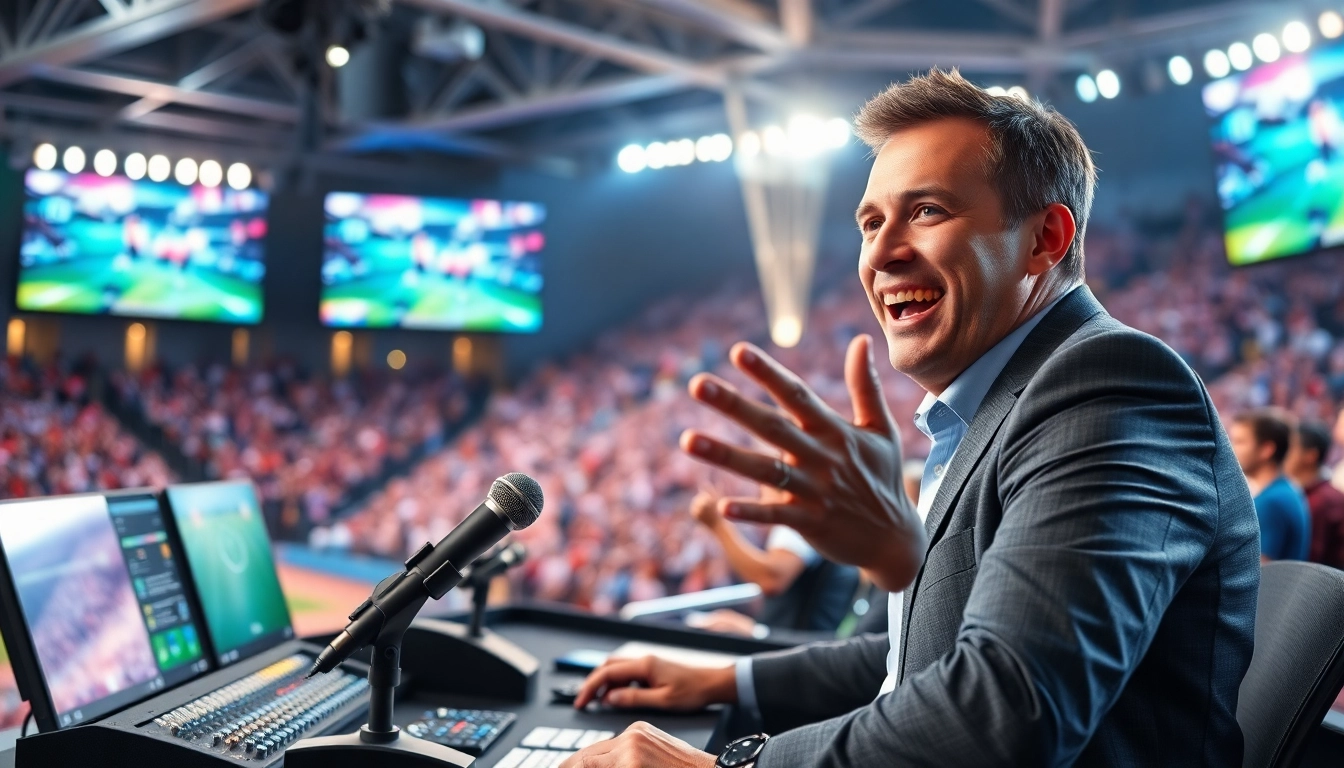
At its core, sports broadcasting refers to the live transmission of sporting events via various media channels such as television, radio, and online platforms. It serves to provide real-time coverage, highlights, and analysis, making sports accessible to a wider audience. Beyond just reporting scores, it includes commentary, storytelling, and discussions around the events, thereby enhancing viewer engagement.
History and Evolution of Sports Broadcasting
The journey of sports broadcasting began in the early 20th century, with radio being the first medium to air live sports events. The first-ever live sports broadcast was a boxing match in 1921. With the advent of television in the 1940s and 1950s, a new era of sports broadcasting unfolded. Iconic events like the Super Bowl and the Olympics have since showcased the power of live telecasts, growing into monumental cultural phenomena. The rise of digital media in the 21st century has further revolutionized sports broadcasting, introducing live streaming, social media coverage, and interactive viewing experiences.
Importance of Sports Broadcasting in Today’s Media Landscape
In today’s fast-paced media landscape, sports broadcasting plays a critical role in shaping entertainment, culture, and even economics. It acts as a platform for advertisers and sponsors to reach targeted audiences while providing viewers an avenue to engage with their favorite teams and athletes. The emergence of social media has also created new opportunities for fan interaction, making sports broadcasting a multi-dimensional experience that extends beyond the game itself.
Key Components of Sports Broadcasting
Essential Equipment for Quality Broadcasting
To ensure high-quality sports broadcasts, various equipment is essential. This includes cameras capable of capturing fast-moving actions, microphones for clear audio, and broadcasting software that integrates multiple inputs. Innovations such as drones and ultra-high-definition cameras have elevated the quality of sports coverage, enabling immersive viewer experiences. Moreover, advanced replay systems enhance storytelling by allowing audiences to experience pivotal moments in slow motion.
Understanding Broadcast Formats and Platforms
Sports broadcasting employs various formats, from traditional television broadcasts to streaming services and social media platforms. Each format provides unique advantages: television typically offers high production value, while streaming platforms enhance accessibility and convenience. Social media allows for real-time interaction and engagement, enabling fans to share their thoughts and experiences instantly. The choice of platform significantly impacts audience reach and engagement levels.
Role of Production and Technical Teams
The success of any sports broadcast largely hinges on the collaboration between production and technical teams. Production teams are responsible for creating narratives, scripting commentary, and managing live event coverage. On the other hand, technical teams ensure that all equipment functions smoothly, handling everything from camera shots to audio levels. Their seamless cooperation not only delivers a flawless viewing experience but also enriches the overall narrative that unfolds during the broadcast.
Best Practices for Effective Sports Broadcasting
Engaging Your Audience with Storytelling
Storytelling is a crucial aspect of sports broadcasting that cultivates viewer connection. Broadcasters should aim to weave narratives that highlight player journeys, team dynamics, and historical rivalries. This human element transforms a mere game into a captivating story arc that keeps viewers invested not just in the scores, but in the characters and stakes involved in the competition.
Incorporating Analytics and Feedback
The integration of analytics not only enhances broadcasts but also allows for an informed understanding of audience preferences. Broadcasters can utilize viewer data to tailor content, choose angles for coverage, and even shape future broadcasts. Regular feedback from audiences provides insights that can drive improvements and innovations in broadcasts, ensuring that they meet evolving viewer demands.
Continuous Learning and Adaptation in the Industry
Given the rapid pace of technological advancements in broadcasting, staying informed is imperative. Professionals in the sports broadcasting arena must continually upgrade their skills and embrace new technologies. Regular training, attending industry conferences, and participating in workshops can provide invaluable insights into emerging trends. Adaptation and flexibility are essential to thriving in this competitive landscape.
Challenges in Sports Broadcasting
Adapting to Rapid Technological Changes
The broadcasting industry faces constant technological evolution, which can be overwhelming. Keeping pace with new tools, software, and platforms requires a proactive approach to resource allocation and skill development. Transitioning from traditional to digital broadcasting requires investment and training, but those who adapt stand to gain significant advantages in audience reach and engagement.
Maintaining Quality Amid Budget Constraints
Budgetary constraints often hinder sports broadcasters from achieving high production values. To tackle this, organizations must prioritize spending, focusing on the most impactful areas such as quality cameras and skilled personnel. Additionally, adopting innovative technologies, like cloud-based solutions, can help reduce costs while maintaining a high standard of production, ensuring that live broadcasts remain engaging without sacrificing quality.
Navigating Legal and Licensing Issues
Legal considerations are paramount in sports broadcasting. Navigating licensing agreements, broadcasting rights, and compliance with regulations is a complex process that can pose significant challenges. Organizations must establish thorough legal frameworks and work with experts to ensure adherence to all necessary legalities, allowing for smooth and lawful broadcasts.
The Future of Sports Broadcasting
Trends in Viewer Engagement and Interactive Content
The future of sports broadcasting will likely be characterized by increased interactivity. Technologies like augmented reality (AR) offer fans immersive experiences, enabling them to engage with content in real-time. Gamification elements can further engage viewers by allowing them to influence broadcasts or participate in polls during games, fostering deeper connections between fans and the sport.
Emerging Technologies and Their Impact
Technological advancements such as 5G networks, enhanced AI analytics, and VR capabilities will revolutionize sports broadcasting. These technologies promise faster streaming speeds, enriched content delivery, and immersive viewer experiences. Broadcasters embracing these innovations will likely enhance audience engagement and elevate the overall quality of sports entertainment.
Predictions for the Next Decade in Sports Broadcasting
As we look to the next decade, sports broadcasting is expected to become more global and interconnected. With the rise of OTT platforms, audiences will have unparalleled access to diverse sports content. Enhanced personalization powered by AI will allow viewers to curate their experiences, making the future of sports broadcasting not just about watching the game but engaging in a community that thrives around it.
Frequently Asked Questions
What types of media are used in sports broadcasting?
Sports broadcasting employs various media such as television, radio, online streaming platforms, and social media. Each medium has its own reach and engagement dynamics.
How has technology changed sports broadcasting?
Technology has revolutionized sports broadcasting by improving production quality, enabling live streaming, integrating interactive features, and expanding the reach through digital platforms.
What are the primary roles in a sports broadcasting team?
The key roles in a sports broadcasting team include producers, directors, commentators, camera operators, and technical crew, all of whom collaborate to create a coherent broadcast.
How can sports broadcasters engage with their audience?
Engagement can be enhanced through storytelling, real-time interactions, incorporating analytics, and leveraging social media to create communities around sports.
What challenges do sports broadcasters face today?
Challenges include adapting to rapid technological changes, maintaining quality with budget constraints, and navigating complex legal and licensing issues involved in broadcasting rights.
